Finding an English-speaking therapist in Amsterdam: a guide for expats
By Bibiana Jordan, psychologist (NIP), Amsterdam ·
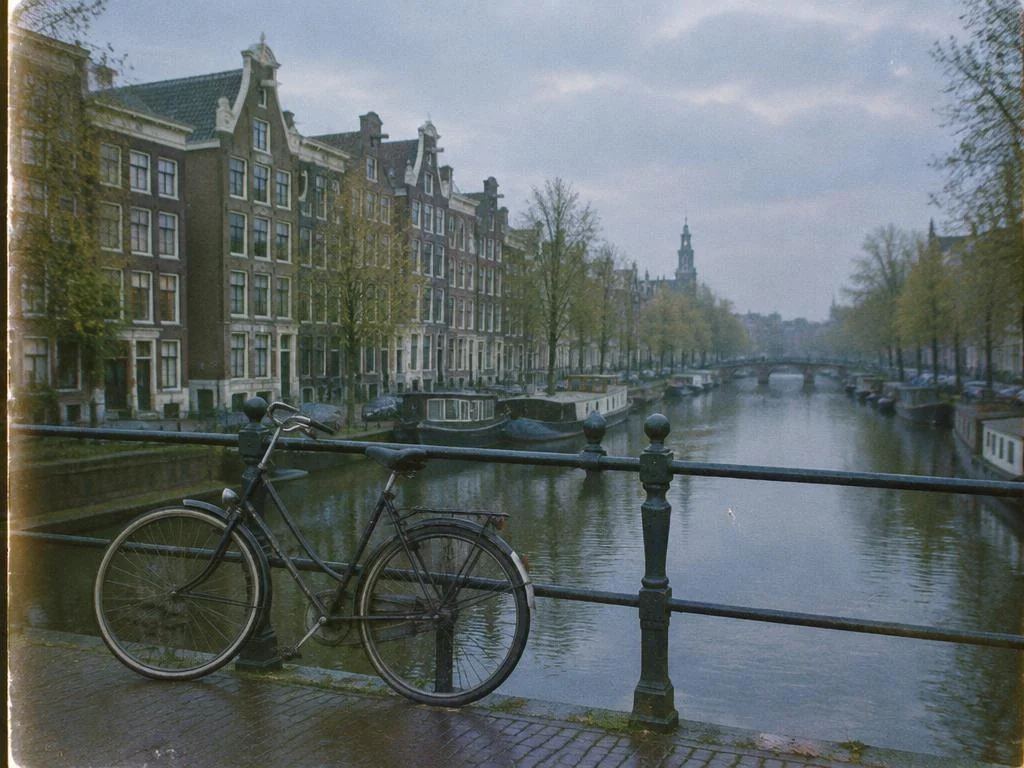
"I've been meaning to find a therapist for months. But every time I start searching, I get overwhelmed. Do I need my GP? Will they understand what it's like to live here? And is it strange to do therapy in English when it isn't my first language?"
If that sounds like you, you're not alone. Many of the internationals I meet in Amsterdam have been thinking about therapy for a long time before they send that first email. On the outside they're doing well: a good job, a full calendar, a life that looks exciting from home. Inside, something has felt heavy for a while.
I'm a psychologist (NIP) in Amsterdam, and I've made the move abroad myself. In an earlier post I covered the practical side: how to find an English-speaking psychologist in Amsterdam, from GP referrals to credentials and costs. This guide is about the other half of the search, the part that's harder to google: why it feels so hard to start, what "English-speaking" should really mean, and how to tell whether a therapist is right for you.
Why is it so hard to start therapy abroad?
At home, you might have asked a friend for a name, or simply known how things work. Here, you start from zero: a new healthcare system, a new language, and often nobody nearby to ask.
There's often something quieter going on too. Many expats tell me they feel they "should" be fine. You chose this move. Your family may be proud of you. Admitting you're struggling can feel like admitting it was a mistake. It isn't.
For some people, the hesitation goes back much further. If you grew up as the one who coped, who didn't make a fuss, or whose feelings weren't really noticed, asking for help can feel uncomfortable, even selfish. That isn't a weakness. It's a pattern you learned early, and it often comes back when life abroad gets lonely. I write more about this in expat life and mental health.
Therapist, psychologist, counsellor: what do the words mean here?
In the Netherlands, these words aren't always used the way they are at home. A "psycholoog" usually has a master's degree in psychology. Some titles, such as GZ-psycholoog and psychotherapeut, are protected by law. "Therapist", "counsellor" and "coach" are not protected, so anyone can use them.
That doesn't mean only one title is good. It means it's worth asking about training and registration. A psychologist registered with the NIP, the Dutch Association of Psychologists, has a recognised master's degree and follows a professional code of ethics. You can search for one in the NIP directory.
Is it OK to have therapy in English if it isn't my first language?
Yes, and many people do. A lot of the internationals I see in Amsterdam come from elsewhere in Europe and speak English all day at work. For many of them, English feels natural for talking about their life here.
Still, language matters in therapy. Interviews with multilingual therapists in the Netherlands found that the language you use can affect how emotional topics are discussed (Verkerk and colleagues, 2021). Some people notice that a second language gives them a little distance from painful memories. Others find that childhood memories feel more real in their mother tongue.
A good therapist will pay attention to this with you. You don't need perfect English. You can pause, search for a word, or say something in your own language first. I work in English and Hungarian, so Hungarian clients can move between the two, or choose therapy in Hungarian altogether.
What should "English-speaking" really mean?
Speaking English is the starting point, not the whole picture. When you look for an English-speaking therapist, it helps to find someone who also understands international life:
- the loneliness of building friendships from scratch as an adult
- living between time zones, and missing birthdays and goodbyes back home
- a demanding job and the feeling that you always have to prove yourself
- a relationship where you and your partner grew up in different cultures
- the guilt of being far away from ageing parents
With someone who gets this, you spend less time explaining your life and more time working on what hurts.
Online or in person in Amsterdam?
Both can work well. In person, many people find it easier to settle into the room and leave work behind for an hour. Online sessions save travel time, and you can keep the same therapist if you travel a lot or move again.
I offer both. You can see me in person at Osmos Studio on Nassaukade in Amsterdam during the day, join me for a walking session in Rembrandtpark if talking side by side feels easier, or choose online therapy via secure Google Meet.
What happens in a first session?
Many people feel nervous before a first appointment, and that's normal. You don't need to prepare a story or know exactly what's wrong.
A first session is mostly about getting to know each other. Your therapist will ask what brings you, what you've already tried, and what you'd like to be different. You can ask questions too: how they work, what a session costs, and how long therapy usually takes.
Many practices, including mine, offer a short free consultation first, so you can get a feel for each other before you commit.
How do I know if a therapist is right for me?
The relationship between you and your therapist matters a lot. An overview of research for the American Psychological Association concluded that relationship factors are as important to the outcome of therapy as the method used, or more (APA Monitor, 2019).
After the first few sessions, ask yourself:
- Do I feel listened to, without being judged?
- Can I say when something doesn't feel right?
- Do I understand how we're working, and why?
- Do I leave with something to think about, even when it was hard?
It's also worth asking which methods a therapist uses. I work with Schema Therapy in Amsterdam for long-standing patterns like people-pleasing or feeling not good enough, EMDR therapy for trauma and painful memories, the Gottman Method for couples, and gentle body-based exercises woven into our sessions.
And if it doesn't feel right, it's okay to say so, or to look for someone else. A good therapist won't take it personally.
When is it time to reach out?
You don't need to be in crisis to deserve support. It might be time if:
- you've felt low, anxious or on edge for several weeks
- your sleep, work or relationships are starting to suffer
- the same pattern keeps coming back, at work or in love
- you feel lonely even when you're surrounded by people
- you keep telling yourself you'll deal with it "after this busy period"
If waiting lists or insurance are holding you back, my earlier guide explains the GP route versus private therapy. IamExpat's guide to mental healthcare in the Netherlands notes that the referred route can mean waiting six weeks to a year for a first appointment, while private practices usually have shorter waits.
How I work
If you're looking for an English-speaking therapist in Amsterdam, I'm a psychologist (NIP) who works with internationals in English and Hungarian, online or in person in Amsterdam. Individual sessions are €90 for 50 minutes; EMDR and couples sessions are €150 for 90 minutes. You'll find more on fees and insurance on my website.
If you've been thinking about it for a while, this can be your first small step. Book a free 15-minute consultation or send an enquiry via theexpatpracticebyjordan.com, and we'll see together whether we're a good fit.
Ready to take the first step? Book a free 15-minute consultation, online or in person in Amsterdam.
Book a free consultationIf you need help right now: in an emergency, call 112. If you're having thoughts of suicide, you can talk to 113 Zelfmoordpreventie on 113 or 0800-0113, free and 24/7.
Sources
Frequently asked questions
How do I find an English-speaking therapist in Amsterdam?
First decide whether you want the insured route through your GP or a private practice you can book directly. Then look for someone who works in English, understands expat life and has a recognised registration, such as NIP. A short free consultation helps you check the fit before you commit.
Does therapy work if English is my second language?
Yes. Many people have therapy in a second language and benefit from it. Language can affect how emotional topics feel, so a good therapist will pay attention to this with you. You don't need perfect English, and you can use words from your own language when that helps.
Do I need a GP referral to see a therapist in Amsterdam?
Only for care covered by Dutch basic insurance. You can book a private psychologist directly, without a referral. At The Expat Practice by Jordan, you can start with a free 15-minute consultation.
Is online therapy as helpful as seeing someone in person?
For many people, online therapy works well, and it lets you keep the same therapist when you travel or move. Others prefer being in the same room. I offer both: online via secure Google Meet, and in person in Amsterdam.
How do I know if a therapist is the right fit?
After a few sessions, notice whether you feel heard, safe to be honest, and clear about how you're working together. Research suggests the relationship with your therapist matters as much as the method. If it doesn't feel right, it's okay to say so or to look for someone else.
How much does a private therapist in Amsterdam cost?
Prices vary by practice. At The Expat Practice by Jordan, individual sessions are €90 for 50 minutes, and EMDR and couples sessions are €150 for 90 minutes. Some international insurers reimburse private sessions, so check your policy.